Test Driving Tips- What to Look For
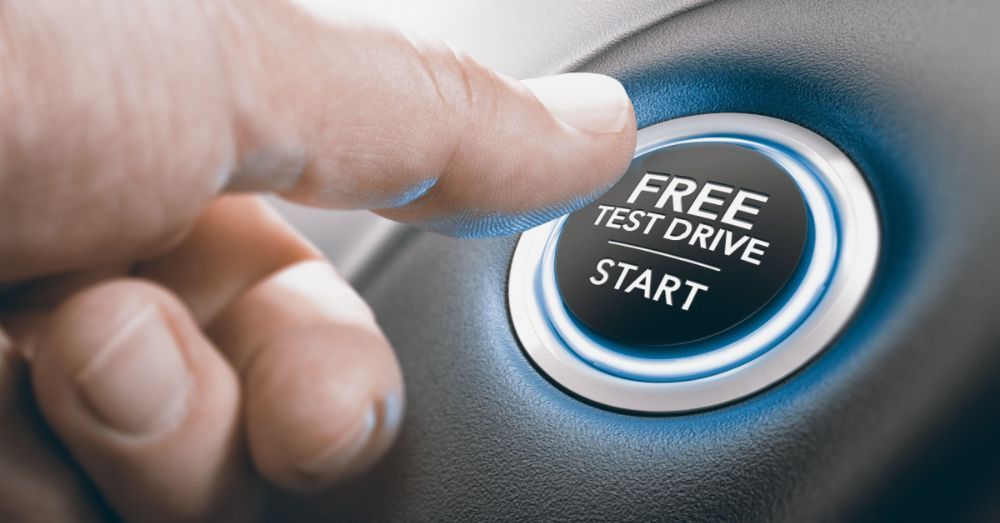
Whether it’s the first vehicle purchase or the seventh, a new vehicle or a used vehicle, completing a thorough test drive can save the vehicle owner both money and time. Buying a vehicle comes with many challenges, including what dealership to purchase from, is a warranty included, how many miles are on the vehicle, and whether it is appealing. These are the daunting questions that buyers often ask themselves when in the process of purchase.
One major element that a lot of people don’t take seriously enough during their vehicle buying experience is a test drive. Test driving a vehicle consists of a thorough, hands-on inspection of the vehicle in use and while parked. Test drives can unravel any hidden issues that the vehicle may not be able to express unless driven. For this reason, auto repair professionals highly recommend conducting a thorough examination of the outward appearance as well as the drivability of the vehicle.
What can a test drive and research tell you about your prospective vehicle?
A test drive can reveal any underlying issues that may be present in your future vehicle. There are several things that should be attended to and acquired with the dealership, and the vehicle and its parts that everything is in working order. The first reference to a vehicle’s health should be guided with the vehicle’s history report. The history report will express if maintenance was performed regularly and on-time, if a previous accident occurred that could alter the integrity of the vehicle, and the value of the vehicle given the year, make, and model. All these elements should be considered preferably before the test drive begins, but certainly before the point of purchase. Professionals recommend looking over any paperwork or documentation related to the vehicle to ensure the vehicle will meet your needs and budget.
Additional ways to evaluate your future vehicle
Many other ways to thoroughly evaluate a prospective vehicle for drivability and dependability is through a visual inspection as well. A visual inspection can eliminate the chance of purchasing a vehicle that is due for maintenance and repairs not long after the transaction is complete. Professionals recommend examining the following components for possible wear and tear:
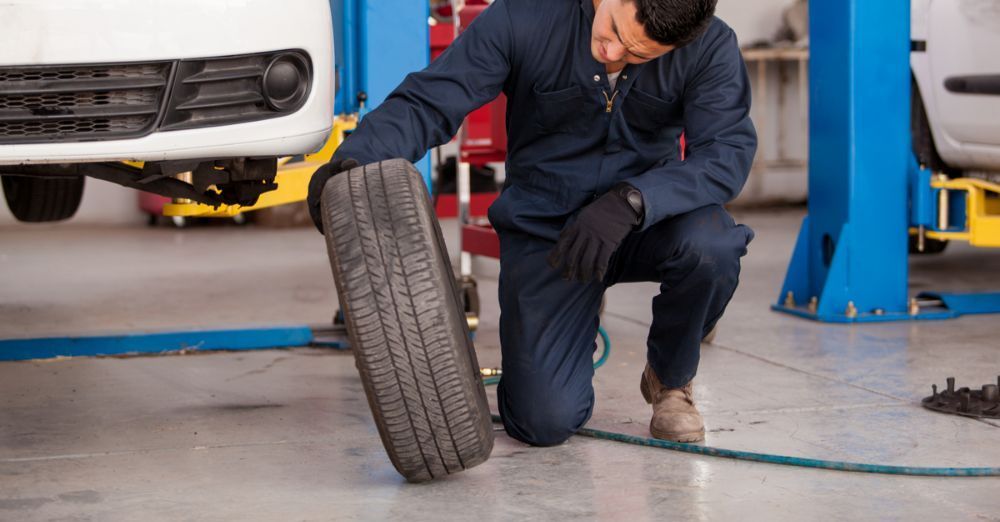
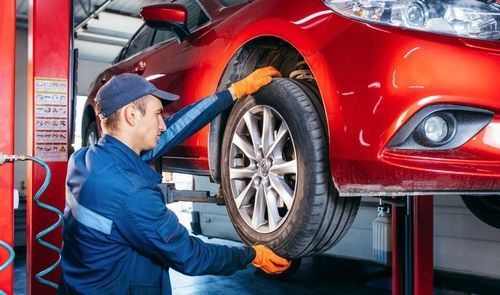
• Worn or overused tires
• Jammed windows or poor performing auto electrical buttons.
• Body paint damage including, worn paint, rust, scratches, minor dents etc.
• Squeaking doors when opened or closed.
• Interior wear including, seat damage, worn print on dashboard controls, or a poor performing seat belt.
How to complete a Test Drive?
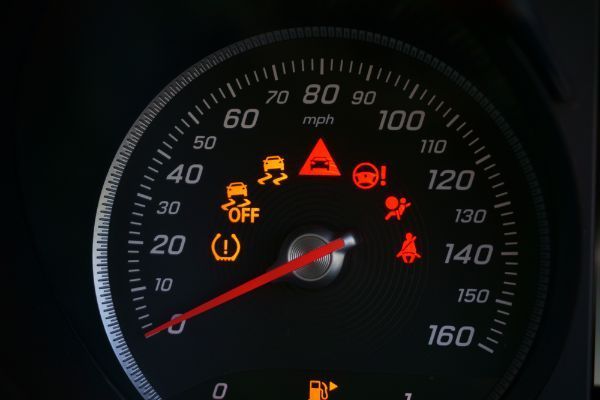
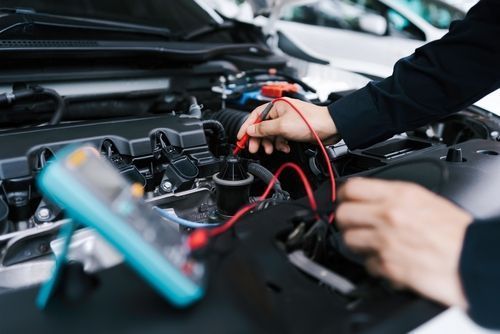
A thorough test drive starts in the driver’s seat and ends with familiarizing oneself with any issues that may be going on under the hood. From the moment a car buyer sits in the driver’s seat, they should begin evaluating the drivability of the vehicle by examining the seats, checking inside and out of the vehicle for any blemishes that stick out, driving the vehicle at fast and slow speeds, and checking the brakes. The driver should listen for a loud idling engine, complications when shifting gears, issues with the electrical components of the vehicle, the smoothness of the ride, and any other issues that may come about during the drive. It is essential that the vehicle is evaluated thoroughly for anything that can result in complications with drivability in the future. Whether a vehicle is new or used, these evaluation steps apply. A vehicle is notorious for losing value the moment it is driven from the dealership lot, so it is pivotal the vehicle buyers ask the right questions, research the prospective vehicle, read over any documentation in connection with the vehicle, and perform a thorough test drive. These steps are crucial in eliminating the opportunity of purchasing a vehicle that will cost you more time and money to have then serve its purpose of providing dependable transportation.