Top 7 Warning Signs Drivers Overlook

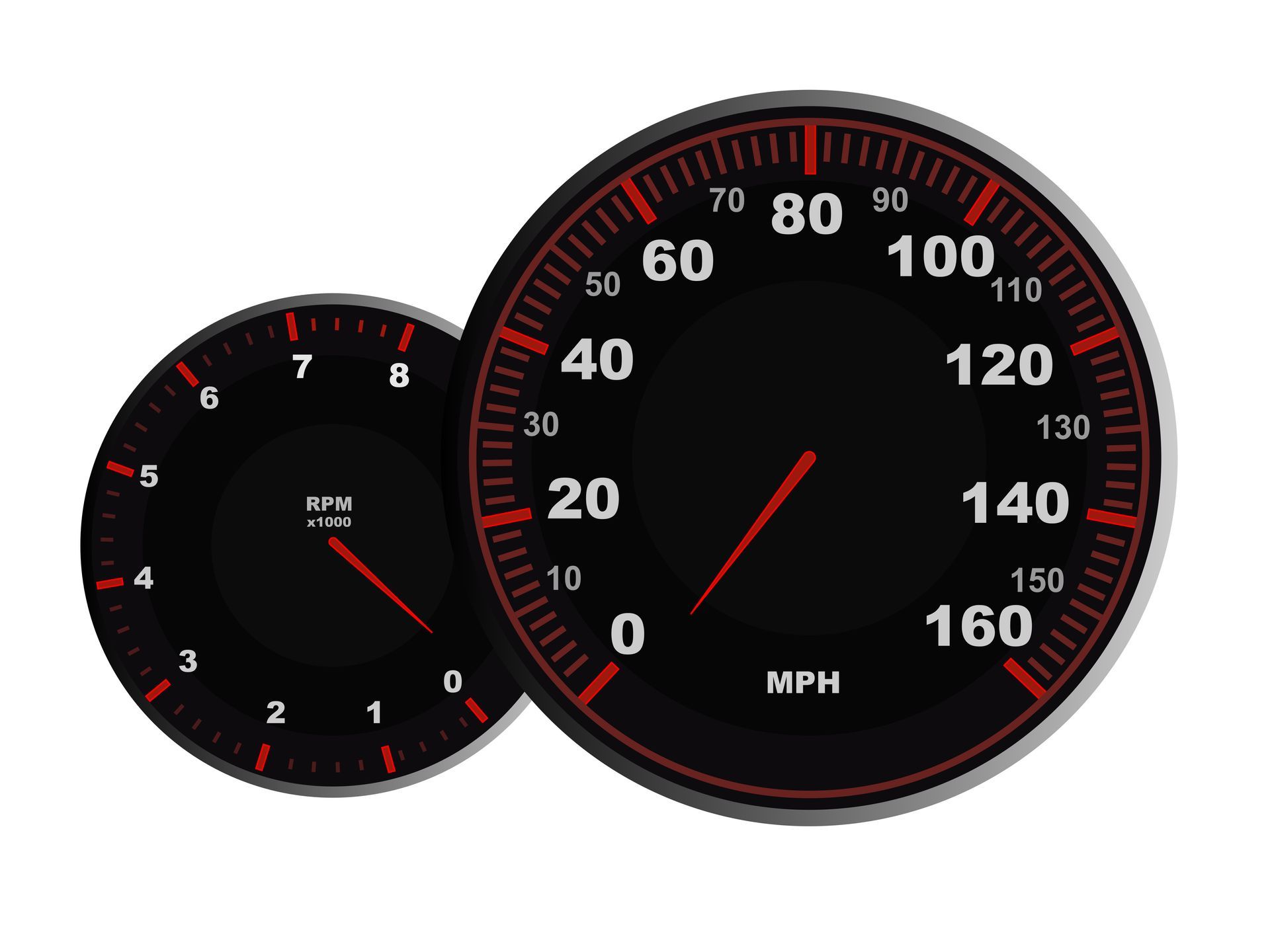
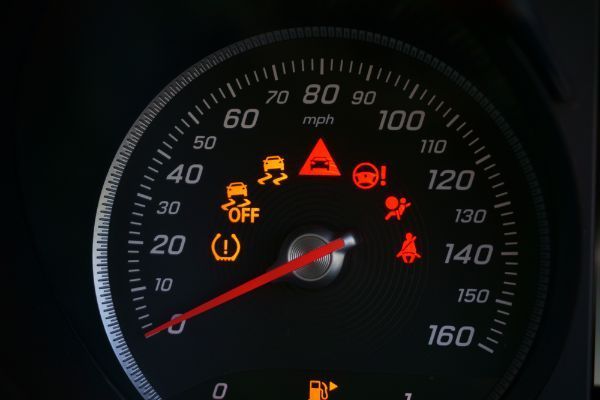
A vehicle is programmed with a computer to communicate in various ways that a fault is detected. Each fault has an error code that displays an icon in correspondence to the issue. For instance, often times if a vehicle dictates low tire pressure, it may communicate just that or post a tire icon on the dashboard to relay the message. An engine issue is typically conveyed with an engine icon to make known one or more parts tied to the engine need healing. On top of these listed messages are others linked to the drivers' senses, such as sight, sound, smell, and touch. Here are the most overlooked warning signs that can result in major repairs if neglected for too long.
Overheating
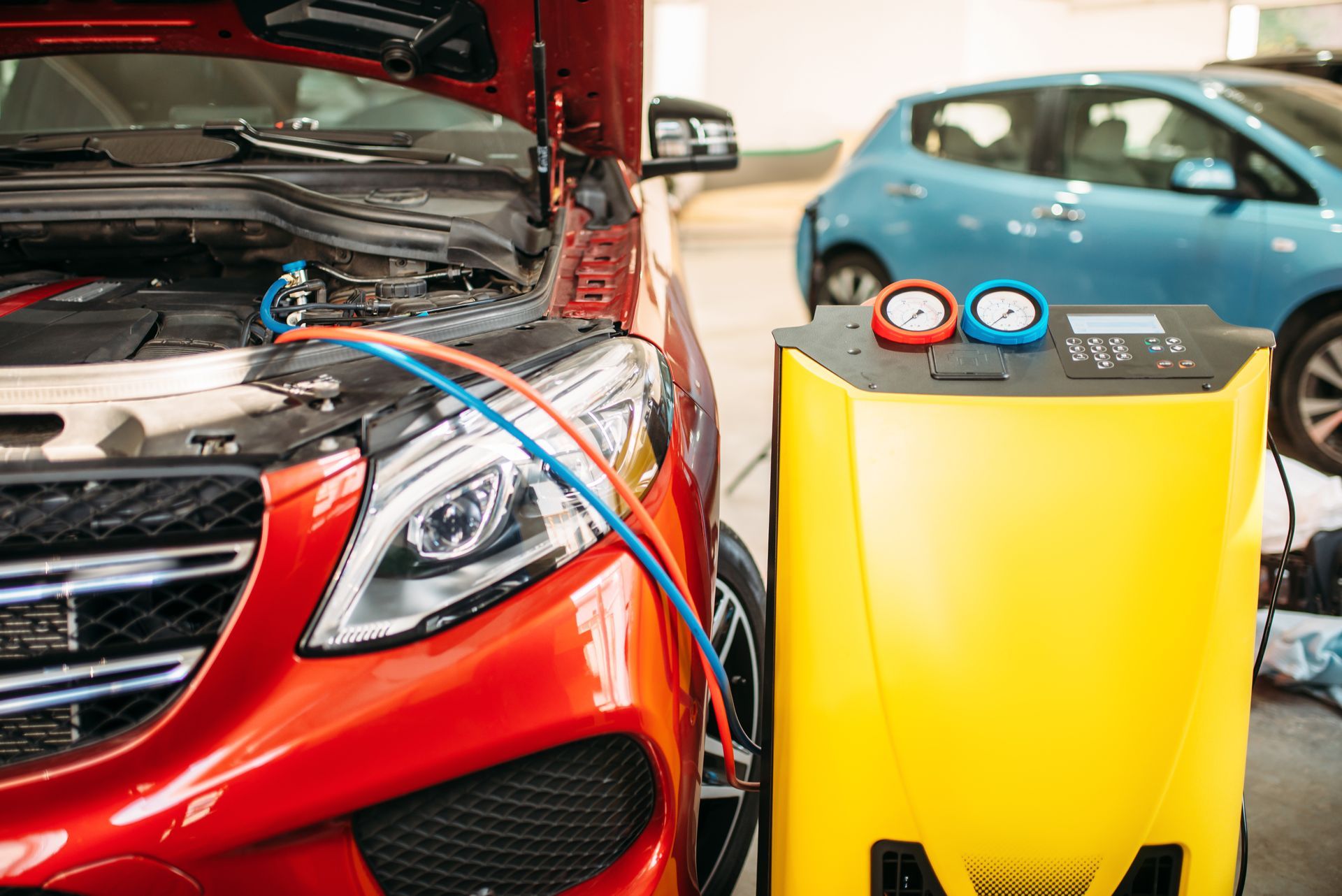
Coolant is necessary for all vehicle types, whether diesel or gas powered, compact car or truck. The coolant keeps the engine from overheating, protecting its vital parts. Coolant should be regularly monitored and flushed to allow the radiator to perform its function. Old coolant can destroy the metal parts that make up the engine due to acidity. Auto experts recommend that a vehicle's acid levels read no less than 10 to avoid major and expensive repairs to the radiator or the engine and use strips to run test. During the coolant flush process, technicians will use a cleaning mechanism to flush out the coolant to break it down. This procedure flushes not only the old coolant but also any rust, dirt, or sludge that may have accumulated from the water hoses and the engine over time.
Squeaky Brakes
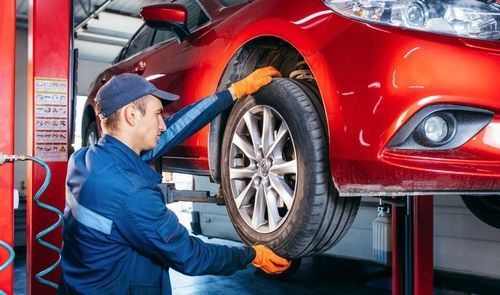
The brakes in every vehicle have the most critical role in protecting the driver, their passengers, and others on the road. Brake issues usually occur due to a lack of maintenance by regularly checking the brake pads, discs, and lines. Brakes often convey there is needed attention through squeaking and squealing during operation. Monitoring the life of these components can protect the brakes from more expensive repairs like warped or worn brake rotors. Decreased brake performance develops due to normal wear and tear, which is why these parts require maintenance. Failure to do so and the brakes could fail completely
Warning Lights on the Dashboard
As mentioned before, every vehicle is programmed with a computer with communication capabilities to relay messages that will be in the best interest of the vehicle parts. Check engine lights can be tied to several different factors within the vehicle. Often, a vehicle will issue a check engine light notification when something as simple as a gas cap is loose. Whatever the case, the warning lights protect the driver and the parts. These warning lights allow the operator to be proactive, take action, and avoid unwanted and potentially expensive repairs.
Transmission Slipping
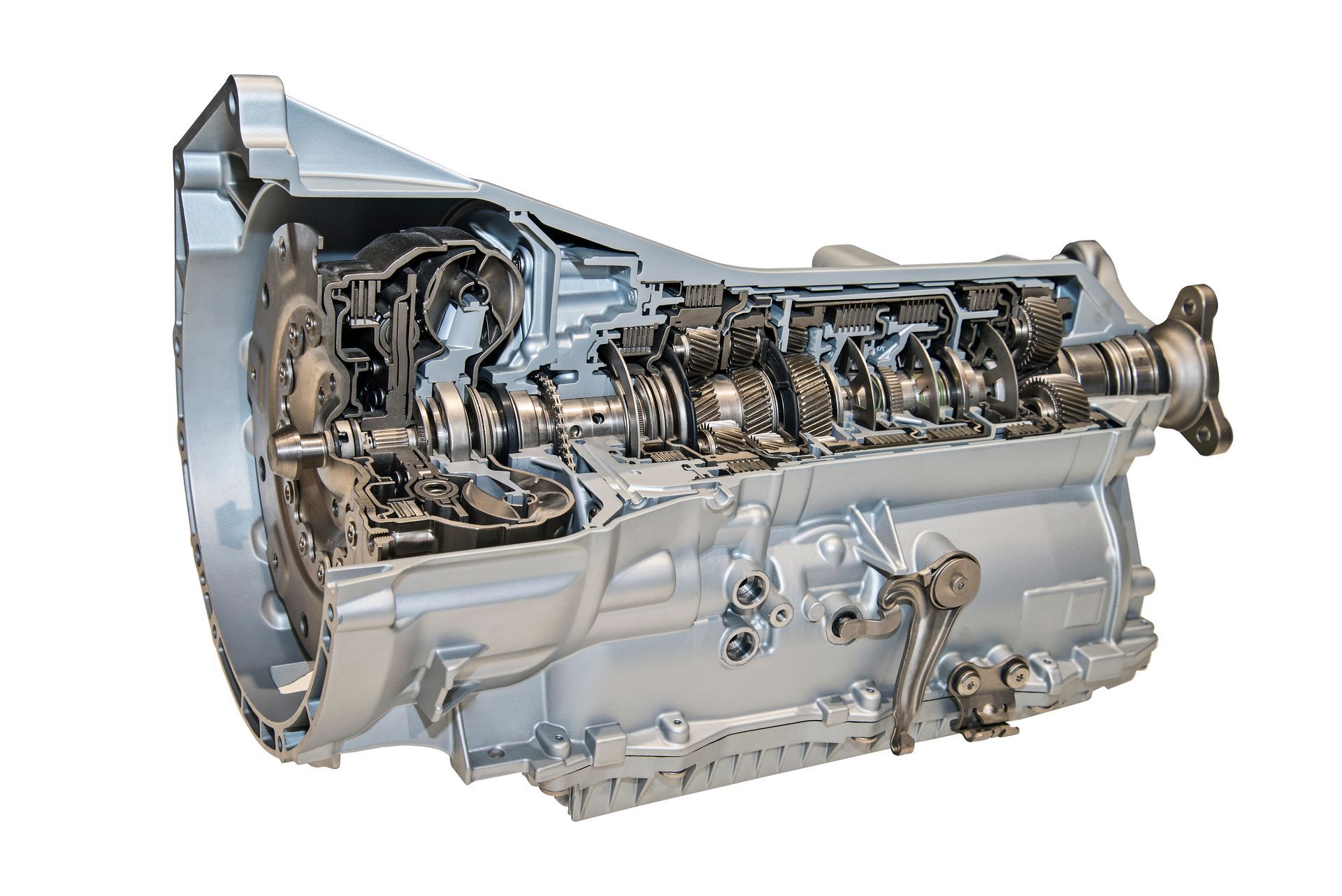
The transmission is one of a vehicle's most essential parts. The transmission is in place to ensure that the engine turns and delivers a balanced power rate depending on the driver's desire. That balance is determined by if the driver wishes to accelerate or drive at slower speeds. Transmissions require fluid to conduct performance and are needed to be flushed in intervals. These flushes exist because, just like other components of a vehicle, normal wear and tear deplete parts and fluids of their capabilities. Frequently, a driver may hear strange noises from the transmission or restrictions when shifting gears to convey that a flush is necessary.
Shaking, Vibrations, Burning Smells and Smoke
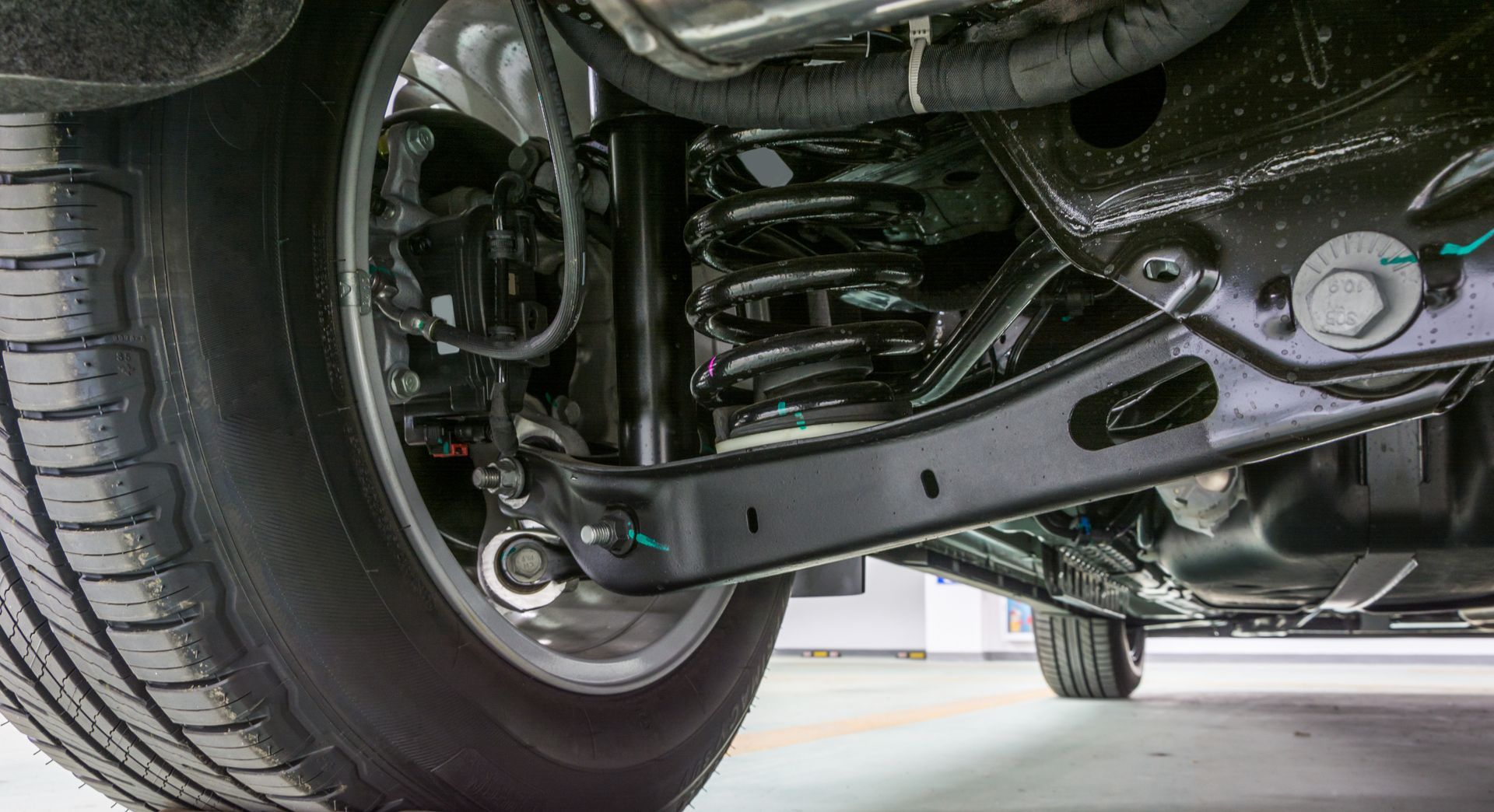
With the use of the driver's senses, many issues can be determined and possibly fixed before significant repairs are mandatory. Vibrations or shaking are one of many apparent indicators of an issue. Any shaking or vibrating in the steering wheel or the seat may be due to suspension decline, bad tires, or an electrical issue. The smell of burning oil or visibly identifying smoke from under the hood could be due to a blown gasket, a damaged cylinder, or worse, a cracked engine block. Cracks in the engine parts can cause coolant to burn a thick white smoke. There is also the possibility that small amounts of motor oil or other fluids like power steering fluid, brake fluid, or transmission liquid have reached the engine by mistake.
Fluid Under the Vehicle
Fluid leaks under a vehicle are due to broken or worn parts. Water leakage is typically the most harmless instance because a vehicle's air conditioner must release the excess moisture developed in the cabin and usually does so underneath the vehicle. Engine oil leakage is typically produced by a crankshaft seal, failing engine gasket, or an oil pan spill. A coolant leak can develop due to a faulty hose. A broken radiator with low fluid usually causes a foul odor and potential engine overheating. Transmission fluid varies in color depending on the manufacturers' standards as either a pink or red fluid. As mentioned before, a failing transmission system will have trouble switching gears or cause unusual noises.
The various ways that a vehicle communicates a fault in one of its parts all help preserve the component's life before absolute failure, whether it be notifications from the dashboard or the driver's use of senses. These indications allow the operator to be proactive by fixing the issue. Professionals recommend maintenance services be performed routinely to stay on top of faulty parts before they require significant and expensive repairs.