Understanding the Suspension System in Your Vehicle
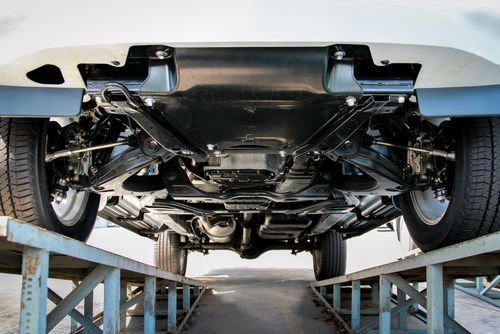
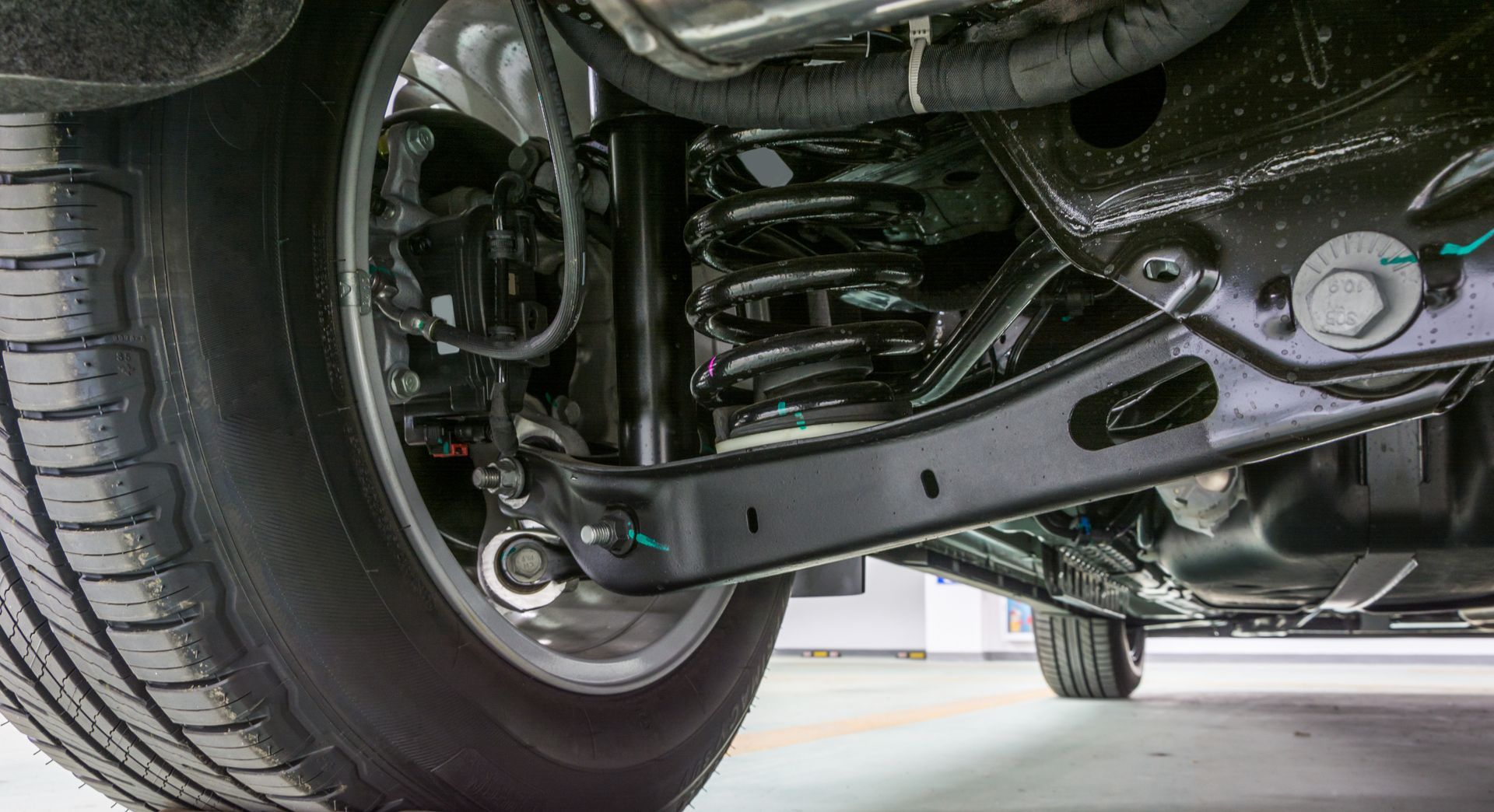
The suspension system plays a crucial role in your vehicle's overall handling and ride comfort. It is responsible for absorbing shocks, maintaining tire contact with the road, and providing stability during turns. By understanding the key components of the suspension system, you can better appreciate the importance of regular maintenance and timely repairs.
Identifying Common Suspension System Issues
Suspension system issues can manifest in various ways, impacting your vehicle's handling and overall driving experience. Some common problems include uneven tire wear, excessive bouncing or swaying, a bumpy ride, or a drifting sensation while driving. It's essential to identify these issues early on and address them promptly to prevent further damage and ensure optimal performance.
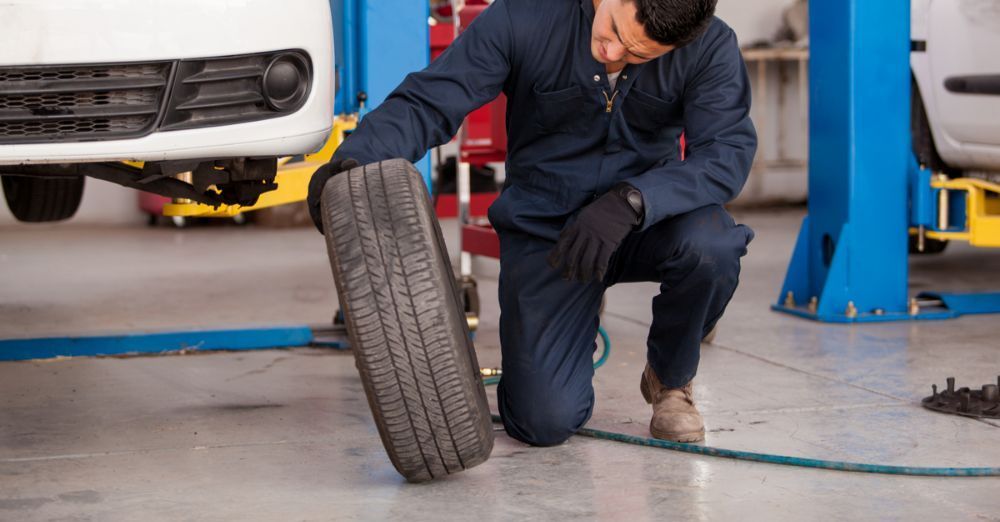
- Uneven Tire Wear: Suspension system issues can cause uneven tire wear, where certain areas of the tires wear out faster than others. This can indicate problems with alignment, worn-out suspension components, or improper tire inflation.
- Excessive Bouncing or Swaying: If you notice excessive bouncing or swaying of your vehicle, especially when going over bumps or during cornering, it could be a sign of worn shocks or struts. These components are responsible for absorbing shocks and maintaining stability.
- Bumpy Ride: A rough and uncomfortable ride, with the feeling of every bump and pothole on the road, can be attributed to worn-out suspension components. Over time, the shocks, struts, or springs may lose their ability to provide a smooth and controlled ride.
- Drifting Sensation: When driving, if you experience a drifting sensation where the vehicle pulls to one side or feels difficult to keep in a straight line, it may indicate alignment issues or problems with suspension geometry. These issues should be addressed promptly to ensure proper vehicle control.
By recognizing these common suspension system problems, such as uneven tire wear, excessive bouncing or swaying, a bumpy ride, or a drifting sensation, vehicle owners can be proactive in identifying and resolving these issues. Addressing suspension system problems promptly not only improves the overall driving experience but also helps prevent further damage and ensures optimal performance of the vehicle.
Addressing Worn Shocks and Struts
Worn shocks and struts are among the primary culprits behind suspension system problems. Over time, these components can lose their ability to absorb shocks effectively, leading to a rough and uncomfortable ride. Regular inspections and timely replacement of worn shocks and struts are crucial for maintaining a smooth and controlled driving experience.
Balancing Wheel Alignment and Tire Issues
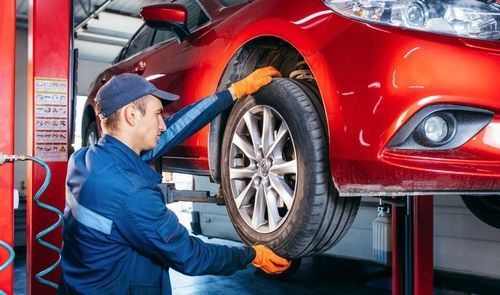
Proper wheel alignment and tire condition are vital for a well-functioning suspension system. Misaligned wheels can cause uneven tire wear and affect steering responsiveness, while worn or improperly inflated tires can compromise overall handling and safety. Regular wheel alignments and tire maintenance are essential for maximizing the lifespan of your suspension system components.
Upgrading Suspension Components for Enhanced Performance
If you're looking to enhance your vehicle's handling and performance, upgrading suspension components can make a significant difference. High-performance shocks, struts, and springs can provide improved stability, reduced body roll, and enhanced cornering capabilities. However, it's crucial to consult with an experienced auto repair shop to ensure the compatibility and proper installation of these aftermarket components.
By understanding the importance of the suspension system, identifying common issues, addressing worn shocks and struts, maintaining proper wheel alignment and tire condition, and exploring performance upgrades, you can optimize your vehicle's suspension system for improved handling and an enjoyable driving experience. Remember to consult with a trusted auto repair shop for professional diagnosis, repairs, and expert guidance on suspension system maintenance and upgrades.