4x4 Vehicle Components & Systems You Should Check Regularly
Are you an avid adventurer who loves to explore off-road terrain in your trusty 4x4 vehicle? If so, you know that maintaining your vehicle's performance and reliability is key to enjoying smooth and safe travels. With so many components and systems to consider, where should you start?
The Heart of Off-Road Capability
At the core of every 4x4 vehicle lies its four-wheel-drive (4WD) system, which provides the traction and power needed to conquer challenging terrain. Unlike two-wheel-drive vehicles, which rely on power from either the front or rear wheels, 4x4 vehicles can distribute power to all four wheels simultaneously, enhancing traction and stability in off-road conditions.
1. Transfer Case and Differential Fluids
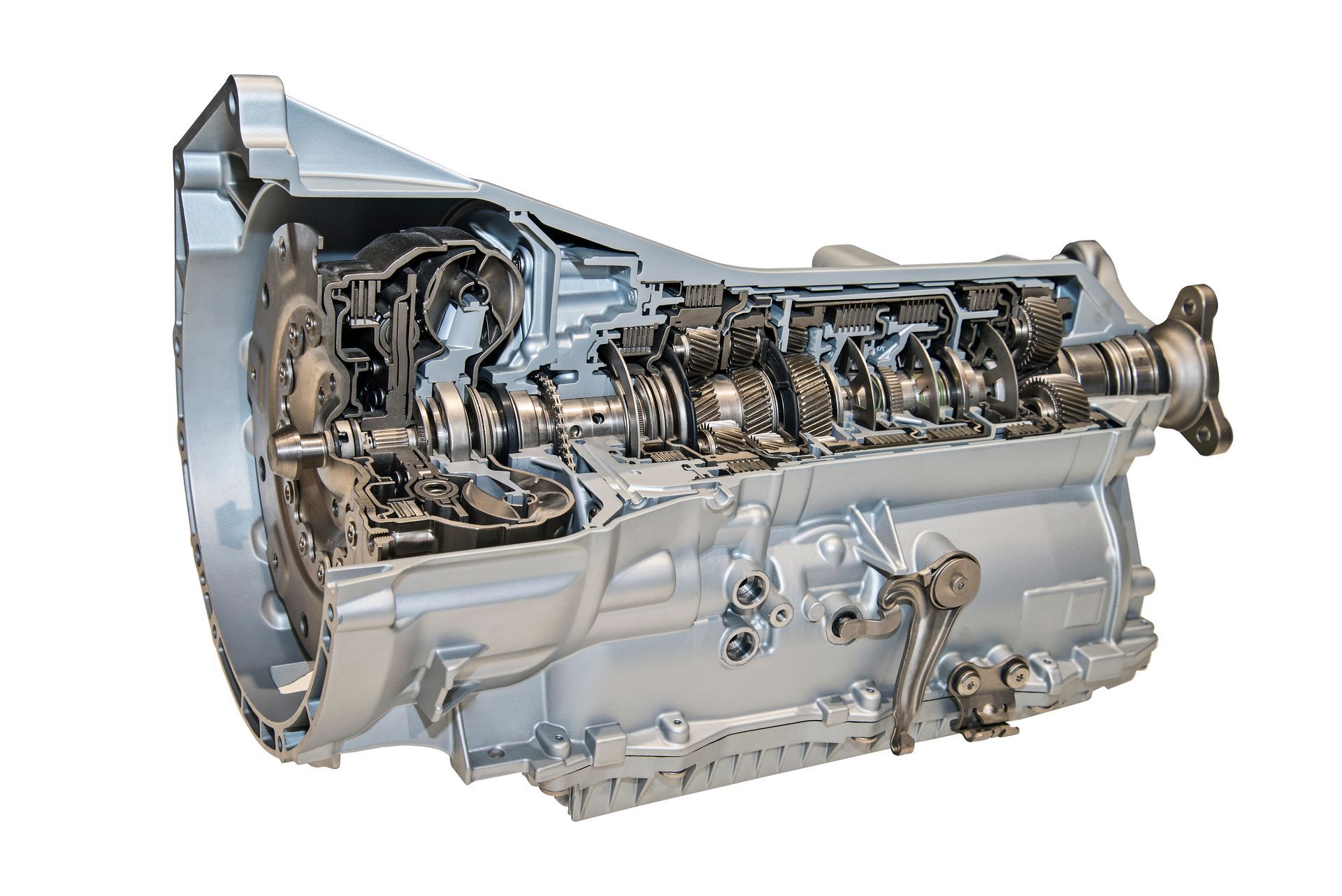
The transfer case and differentials are critical components of a 4x4 vehicle's drivetrain, responsible for distributing power from the engine to the wheels. Checking and replacing the fluids in these components is essential for maintaining proper lubrication and preventing premature wear and damage.
Be sure to consult your vehicle's owner's manual for recommended fluid change intervals and specifications, and use high-quality fluids that meet or exceed manufacturer requirements.
2. Suspension Components and Bushings
Off-road driving can put immense strain on a vehicle's suspension system, including shocks, struts, springs, and bushings. Inspecting these components regularly for signs of wear, damage, or corrosion is essential for ensuring a smooth and controlled ride on and off the road. Look for any leaks, cracks, or excessive play in suspension components, and replace worn or damaged parts promptly to prevent further deterioration and maintain optimal handling and stability.
3. Steering and Alignment
Proper steering and alignment are crucial for maintaining control and stability, especially when navigating rough terrain in a 4x4 vehicle. Regularly checking the condition of steering components, such as tie rods, ball joints, and steering linkages, can help detect and address any issues before they escalate. Additionally, scheduling periodic wheel alignments ensures that your vehicle's wheels are properly aligned, reducing tire wear and improving overall handling and performance.
4. Braking System
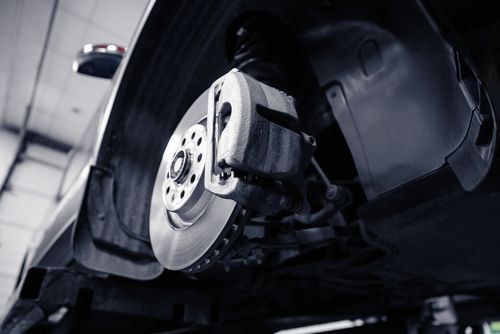
A reliable braking system is essential for safe off-road driving, allowing you to maintain control and stop your vehicle when needed. Regularly inspecting brake pads, rotors, calipers, and brake lines for wear, damage, or leaks can help prevent brake failure and ensure optimal stopping power in all conditions. Be sure to check brake fluid levels and quality regularly and replace it according to the manufacturer's recommendations to maintain proper braking performance.
Questions & Answers
How often should I check and replace the fluids in my vehicle's transfer case and differentials?
The frequency of fluid checks and changes for transfer cases and differentials can vary depending on driving conditions, terrain, and vehicle usage.
What are some signs that my vehicle's suspension components may need attention?
Signs of suspension wear or damage include excessive bouncing or swaying while driving, uneven tire wear, clunking or knocking noises over bumps, and a rough or uncomfortable ride.
Is off-road driving more demanding on a vehicle's braking system compared to regular driving?
Yes, off-road driving can put additional strain on a vehicle's braking system due to the uneven terrain, increased weight, and higher speeds typically encountered off-road.
When it comes to your 4x4 or truck, it deserves the best care possible. How can you ensure we achieve that? Visit Proline Auto Care, and we'll take care of it!