What's the Role of the Transmission in Vehicle Performance?
The transmission is one of the most crucial components in your vehicle, yet it often goes unnoticed until something goes wrong. It plays a pivotal role in ensuring your car runs smoothly and efficiently. But what exactly does the transmission do, and how does it impact your vehicle's performance? Let's dive into the intricacies of this essential part and understand why maintaining it is vital for a seamless driving experience.
What is a Transmission?
At its core, the transmission is responsible for transferring power from the engine to the wheels. It adjusts the engine's output to the drive wheels, allowing the car to operate at various speeds without damaging the engine. Think of it as the intermediary that makes sure your car can accelerate, decelerate, and maintain a consistent speed without overworking the engine.
The transmission achieves this by shifting gears. In lower gears, the transmission provides more torque and less speed, which is ideal for starting from a stop or climbing hills. In higher gears, it provides less torque but more speed, perfect for highway driving. This ability to change gears is what allows your car to perform efficiently under different driving conditions.
Types of Transmissions - Manual vs. Automatic
There are two primary types of transmissions - manual and automatic. Each has its own set of advantages and quirks, influencing the vehicle's performance differently.
Manual Transmission
Also known as a stick shift, a manual transmission requires the driver to manually shift gears using a clutch pedal and a gear stick. This type offers more control over the vehicle's performance, as you can choose the exact gear for the driving conditions. Enthusiasts often prefer manual transmissions for the direct connection they provide between the driver and the car.
Automatic Transmission
An automatic transmission shifts gears on its own without the need for driver intervention. It uses a complex system of sensors, valves, and computer controls to determine the optimal time to shift gears. This type is more convenient for the average driver, offering a smoother and more effortless driving experience. Modern automatic transmissions are highly efficient, often rivaling manual transmissions in performance and fuel economy.
How the Transmission Enhances Vehicle Performance
The transmission's ability to adapt to various driving conditions is key to enhancing vehicle performance. Here are some ways it contributes to a better driving experience:
Smooth Acceleration and Deceleration
The transmission ensures that the engine operates within its optimal range by shifting gears, providing smooth acceleration when you press the gas pedal and controlled deceleration when you brake.
Fuel Efficiency
An efficient transmission can help improve your vehicle's fuel economy. By keeping the engine in its ideal power band, the transmission reduces fuel consumption, saving you money at the pump.
Power Management
Whether you're towing a trailer, climbing a steep hill, or cruising on the highway, the transmission manages the engine's power output to match the driving demands. This ensures that you have the right amount of power when you need it most.
Longevity of Engine and Drivetrain
A well-functioning transmission protects the engine and drivetrain from excessive wear and tear. Keeping the engine from over-revving or lugging extends the lifespan of these critical components.
Signs of Transmission Trouble
Given its importance, it's crucial to recognize the signs of transmission trouble early. Addressing issues promptly can save you from costly repairs and ensure your vehicle remains reliable. Here are some common signs that your transmission might need attention:
Unusual Noises
Grinding, whining, or clunking sounds when shifting gears can indicate transmission problems. These noises often signal worn or damaged components that need immediate attention.
Slipping Gears
If your vehicle unexpectedly slips out of gear or has difficulty staying in gear, it's a clear sign of transmission trouble. This can be dangerous and should be addressed promptly.
Delayed Shifting
A noticeable delay when shifting gears, either from a stop or while driving, can indicate a transmission issue. Delayed engagement can be caused by low transmission fluid or more severe internal problems.
Leaking Fluid
Transmission fluid is vital for smooth operation. If you notice a red or brownish fluid leaking under your car, it's essential to get it checked immediately. Low fluid levels can lead to serious transmission damage.
Warning Light
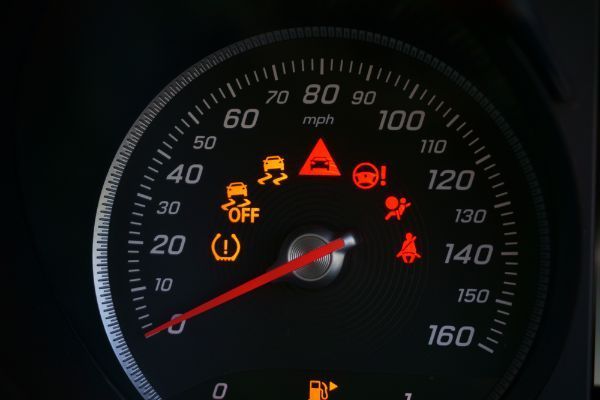
Most modern vehicles have a transmission warning light on the dashboard. If this light comes on, it's a sign that the vehicle's computer has detected an issue with the transmission system.
Maintaining Your Transmission for Optimal Performance
Regular maintenance is key to ensuring your transmission performs at its best. Here are some tips to keep your transmission in top shape:
Regular Fluid Checks
Transmission fluid lubricates and cools the transmission components. Regularly checking and replacing the fluid as needed can prevent overheating and component wear.
Scheduled Service
Follow your vehicle's maintenance schedule for transmission service. This typically includes fluid changes and filter replacements, which help keep the transmission clean and efficient.
Address Issues Promptly
If you notice any signs of transmission trouble, don't ignore them. Early diagnosis and repair can prevent minor issues from becoming major, costly problems.
Drive Gently
Avoid aggressive driving habits, such as rapid acceleration and hard braking, which can strain the transmission. Smooth driving helps extend the life of the transmission and other drivetrain components.
Is your transmission acting up? Visit
Proline Auto Care for expert diagnostics and repair. Don't wait until it's too late. Schedule a transmission check-up today and ensure your vehicle's optimal performance.