Ways to Prolong your Brakes

The braking system is an essential component of the vehicle by supplying the operator with control and granting safety. The vehicle and operator rely on the brakes to decelerate and stop completely while in traffic and when parking. The braking system is made of several different parts, and all are susceptible to failure due to normal wear and tear or misuse. Although wear and tear are normal on the braking system and other parts of the vehicle, there are ways to prolong the life of the brakes to ensure the driver gets the most out of their car, truck, or SUV. It is important to know and understand what the braking system is made of to take proper repair steps when brakes are declining in performance.
What are the main parts of a braking system?
The brakes on a vehicle are made up of several different parts, which include:
- Master Cylinder
- Brake Fluid
- Brake Lines and Hoses
- Brake Pads and Shoes
- Brake Rotors and Drum
Each of these parts supports the decelerating or stopping process. The master cylinder is the most important element because it starts the braking process. The master cylinder is activated when the operator pushes on the brake pedal. It sends the proper message to the rest of the parts for controlled deceleration and stops. The brake fluid is an essential part of the brake system too. In fact, the vehicle wouldn't function properly without it. The braking fluid translates the force from the brake pedal into pressure to the brakes to then stop the vehicle's motion. This fluid is sent to all four wheels and pushed from the master cylinder through the brake lines and hoses. The brake pads and shoes supply the vehicle's wheels with friction by rubbing up against each wheel to slow the vehicle down. The brake rotors and drum are metal discs that are attached to the wheel and rotate as the wheels do. The brake pads essentially squeeze the rotors and the wheel to supply support with the stop. The parts of the braking system can decline over time, and the vehicle will communicate in different ways when there is a failure somewhere.
Signs of Bad Brakes
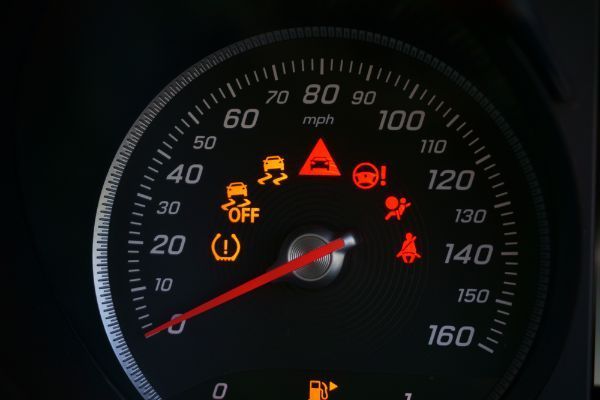
The early indicators that the brakes are on the way to complete failure can be a combination of all or some of the listed signals. When these signals occur, the necessary repairs and replacements should be made immediately to ensure traveling is done safely.
- Squeaking or squealing noises
- Grinding noises
- Wobbling or excessive vibrating when braking
- Leaking brake fluid
- Burning smells from overheated brakes
Over time, parts like the rotors and pads must be replaced due to regular vehicle use. The brake parts are designed to last the vehicle with a system that can last a while but not forever. Here are some of the best ways to prolong the longevity of your brakes.
5 Ways to Prolong the Brakes on your VehicleAllow plenty of following distance
This step is the most common way to warrant early brake failure. An opposing driving style requires heavy use of brakes and braking too harshly.
Drive Slow
Driving too quickly may require abrupt stops due to traffic or hazards on the road. When a vehicle is being driven at fast speeds, and then the brakes are demanded to bring the vehicle to an immediate stop, this adds stress to the pads, rotors, and other brake components.
Avoid Tapping the Brakes Unnecessarily
When traffic is heavy, and the driving style of stop-and-go is inevitable, it is essential to avoid utilizing the brakes as much as possible. Leaving enough room between you and other vehicles and driving slowly allows the vehicle to roll slowly and stop when only necessary.
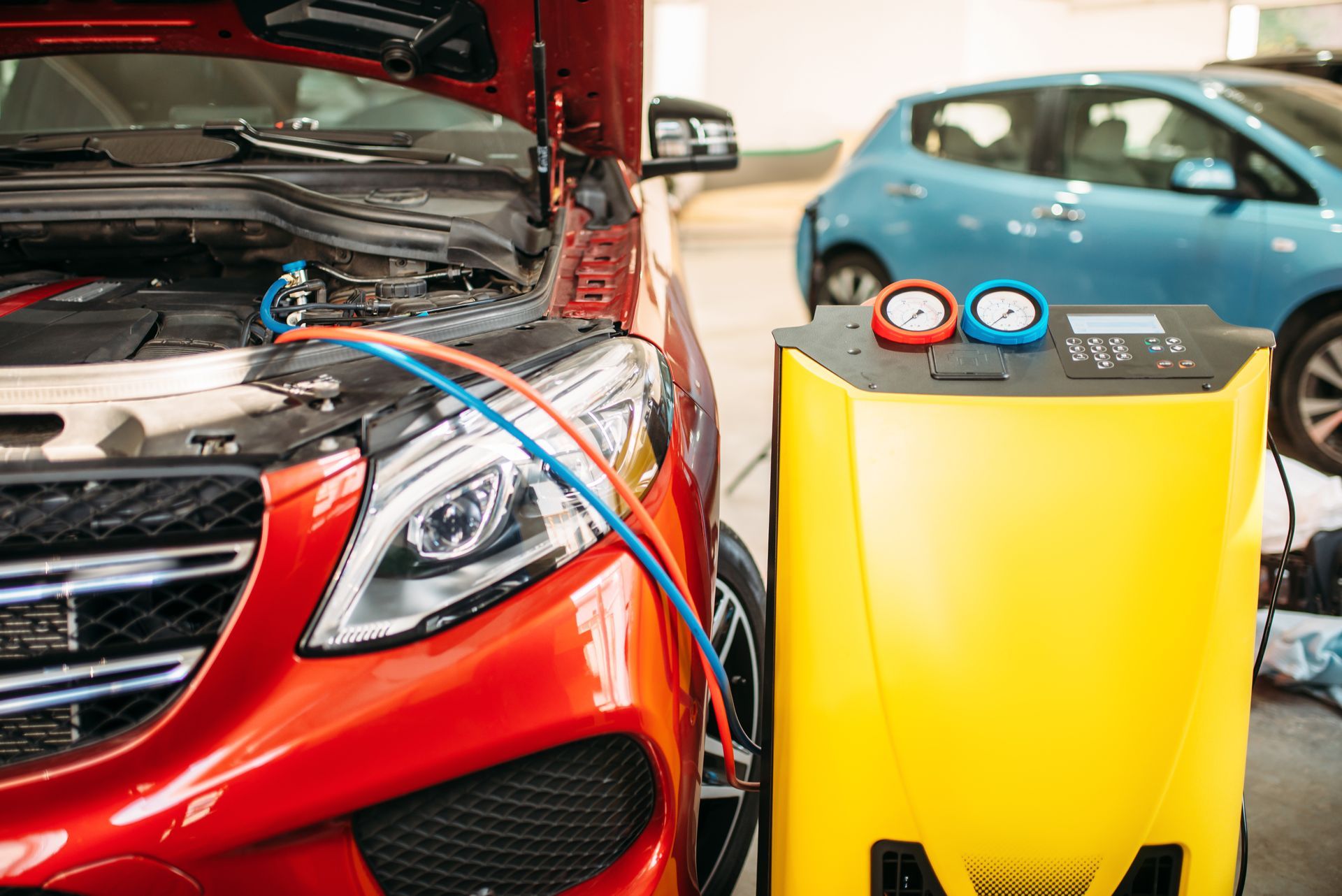
Flush the Brake Fluid
Just like the other fluid maintenance requirements, flushing the brake fluid and topping it off with some that are more fresh supplies the brake system with the support it needs to stop the best way possible and lubricate the parts needed for optimal performance.
Inspect Brakes Regularly
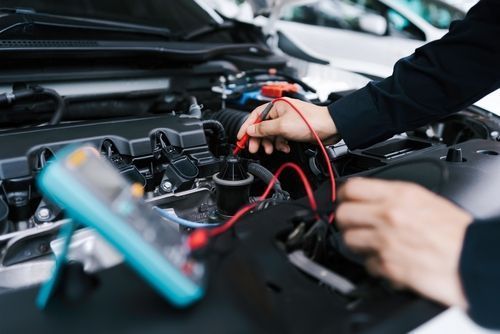
Brake inspections should be a part of the routine maintenance regimen for a vehicle. After fluids are topped off, and tires are rotated, the vehicle's brake pads, shoes, rotors, lines, and hoses should be examined to ensure that replacements aren't necessary and the driver is safe to return to the road.
These processes should be considered when operating a vehicle. Each one supplies the vehicle and operator with safety and reassurance that the brakes and their parts are being used properly and taken care of when occurrences like failures do occur. Replacements should be performed by a trusted auto repair facility to ensure parts are top of the line and performances are done properly.